Hormonal imbalance is something many women experience at different stages of life.
Irregular cycles, painful periods, PMS, PCOS, fertility challenges, perimenopause or menopause can feel overwhelming and confusing. You may feel disconnected from your body, frustrated with symptoms, or tired of being told that “this is normal.”
The truth is: your body is always communicating with you. Hormonal symptoms are not a failure – they are signals. Signals that your body needs support, nourishment, rest, safety, and balance.
The following 5 tips are designed to support hormonal balance naturally, gently, and sustainably – regardless of whether you are dealing with cycle irregularities, PCOS, or menopause.
You do not need to implement everything at once. Even small, consistent changes can create profound shifts over time.
Shift 1: Sync with Your Cycle (or Phase of Life)
Hormonal balance starts with awareness.
If you are menstruating, your cycle is not the same every day. Hormones like estrogen and progesterone fluctuate throughout the month and influence your energy, mood, digestion, sleep, and emotional sensitivity.
If you are in perimenopause or menopause, your hormones are changing in a different way – often more unpredictably – which requires even more self-compassion and adaptability.
For women with PCOS, hormonal signals can be disrupted, leading to irregular ovulation, excess androgens, insulin resistance, and inflammation.
What helps:
- Learn the basics about menstrual cycle and your female hormones
- Track your cycle, symptoms, energy, mood, sleep, and cravings
- Notice patterns instead of judging yourself
When you understand what is happening in your body, symptoms become information – not enemies.
Shift 2: Embrace Movement with Hormone Yoga
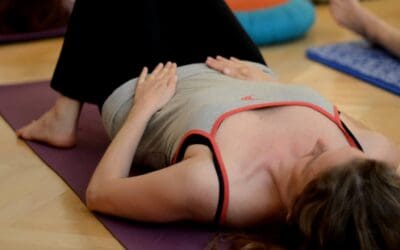
Movement isn’t just exercise; it’s a hormone harmonizer. Yoga for hormone balance stands out because it targets the endocrine system directly. Hormone yoga, a gentle sequence of poses and breathwork, stimulates the ovaries, thyroid, and adrenals to boost progesterone and reduce cortisol.
Why it works: Unlike high-intensity workouts that spike stress hormones, hormonal yoga calms the nervous system while building strength. Try a 30-minute daily flow focusing on your endocrine and nervous system – women report improved symptoms and steadier moods within weeks. It’s a powerful hormone balance tip for busy 30-somethings.
Shift 3: Optimize Diet and Sleep
Drawing from my e‑book A Practical Guide for Women with Hormonal Imbalance, here are gentle tips to nourish your body and reset hormones through diet and sleep – no extremes needed.
Diet essentials:
– Stabilize blood sugar (key for PMS, PCOS, fatigue): eat regular meals with protein, healthy fats, and fiber – think eggs with avocado and veggies. Avoid refined carbs and supermarket pastries; start mornings with protein-rich porridge topped with soaked or roasted seeds and nuts.
– Nourish, don’t restrict: fuel with high-quality protein (fish, legumes), healthy fats (olive oil, nuts), complex carbs (veggies, whole grains), and omega‑3s. Support liver and gut detox with fiber-rich flaxseeds, 2–2.5 liters of warm water daily, and a morning glass of warm lemon water or apple cider vinegar (on an empty stomach, wait 15–20 minutes before eating).
– Consider myo‑inositol for insulin sensitivity, better ovulation, and PCOS relief.
Sleep as hormonal reset:
– Go to bed before 11 pm consistently, dim screens and build a calming routine.
– Support with magnesium-rich foods or supplements for deeper repair, cortisol regulation, and reduced cravings.
These shifts create calm, curb cravings, and ease symptoms – start small for big results.
Shift 4: Tame Stress
Stress is a hormone wrecker, amplifying PMS and cycle chaos. Modern life floods us with cortisol, throwing off estrogen and disrupting your cycle. Meditation and breathwork are essential hormone balance tools.
Deep belly breathing (4‑7‑8 technique: inhale 4, hold 7, exhale 8) can lower cortisol within minutes. Pair it with 10 minutes of daily meditation to rewire your stress response. For women’s health, apps like Insight Timer tailored to menstrual phases can help you notice how anxiety dips and clarity rises.
Shift 5: Align Yoga with Your Menstrual Phases
Your cycle is a superpower, not a burden – tuning into it creates powerful hormone harmony. Yoga for hormone balance works best when synced with your phases:
– Follicular (days 1–14): energizing flows like sun salutations or Hormone yoga practice to support rising estrogen.
– Ovulation (days 14–16): hip openers to ease tension, ease your practice but stay consistent
– Luteal (days 17–28): restorative poses and forward folds to support progesterone and curb cravings.
– Menstrual (days 1–5): gentle yin and restorative yoga for release and rest. Try also yoga Nidra or Sound healing.
This natural hormone balance yoga approach can reduce cramps, smooth your mood, and even out energy. Print a cycle wheel and experiment with what feels best for your body.
Small Changes, Big Impact: Join the Transformation
These shifts – Hormone yoga, smart eating and sleep, stress mastery, cycle syncing, and phased movement – aren’t about perfection. Start with one, and watch your energy rise, moods stabilize, and confidence return. If you want hands-on guidance, you can join my classes and courses on natural hormone balance yoga.
Do you want to know more about hormonal harmony or are you interested in my offer online or live in Amsterdam? Take the first step towards more balanced health – book a free online call with me and find out what your body really needs.